Getting Started in Dice Have No Eyes
Clear your first Shallows boards, learn when to bank, and feed your dice before greed takes the run.
Dice Have No Eyes looks soft and pastel until the first bust. Franek and Max Cahill built a surreal dice-rolling Balatro-like about luck and greed: you roll for poker-like hands, choose to bank the score or risk another throw, and watch unbanked points vanish when fortune flips. This getting started guide is for the first hour after launch. It assumes the full 1.0 release from November 20, 2026, after Early Access that began May 19, 2026. The game is single-player, Steam Deck Playable, and now supports mid-run saves so you can stop between boards without losing the session.
If you want rule math first, jump to How to Play. If you only need practical habits, skim ahead to Beginner Tips. For the shape of later worlds, keep Depths and Boards open in another tab. Character flavor and unlocks live on the Players hub.
What the first hour is for
Your first hour is not about meeting God. It is about surviving the Shallows with a calm bank habit, learning how the shop spends between levels, and treating dice as a build you feed rather than a lottery ticket you slap. The Shallows are the beginner depth: seven levels, two nightmares, extra bust pressure, and limited stars. That mix is intentional. The game teaches greed early by making busts more common while the boards are still short.
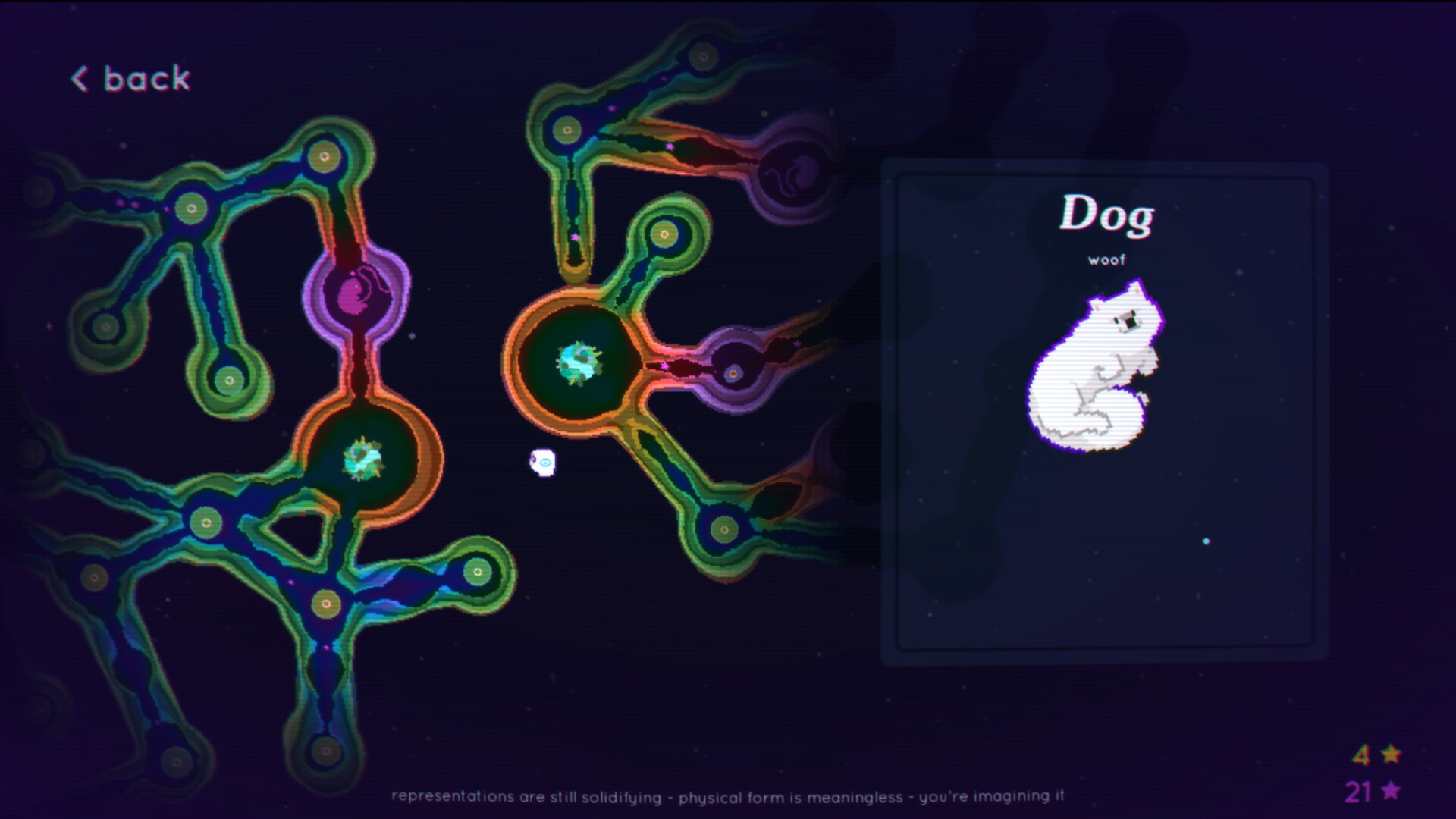
Open a run, pick a starter face you understand, and commit to clearing Shallows boards before you chase Faraway Lands or the Rift. Early characters such as Wizard and Liz teach different pacing. Anais can lean into darker cash plays involving dice children later; do not force that fantasy in hour one. Unlock targets like King Fetus, the Tooth Fairy addition from 1.0, and companion pets such as the dog can wait until you can finish a clean beginner depth without tilt.
The core loop in plain language
Each turn you roll a handful of dice and read the poker-like result: pairs, straights, full houses, and the rest of the hand language the game uses to score. A decent result tempts you to roll again. Another roll can grow the pile. Another roll can bust and wipe everything still unbanked. Banking locks the current score into the run. Momentum builds when you score hands and resets when the turn ends, so streaking good decisions matters more than one lucky spike.
In the first hour, treat banking as the default and extra rolls as the exception. If the points already clear the board need, bank. If you are one small improvement from a safer hand and a snack or spell can protect the attempt, consider one more throw. If you are rolling only because the number looks pretty, stop. That habit is the difference between a tutorial clear and a restart loop.
Shallows: your training depth
The Shallows exist to teach restraint under slightly harsher bust rules. Seven levels is enough room to visit the shop, swap weak dice, and feel nightmares without drowning in endless depth. Limited stars mean you should not measure success only by perfect ratings. A messy clear that teaches banking is worth more than a gold-star fantasy that ends in a bust.
When a nightmare board appears, shrink your greed further. Nightmares in the Shallows are practice for Faraway Lands and the God run later. Read Depths and Boards after your first clear so you know how bets and endless Rift depth change the same loop.
Shop stops between levels
Between cleared levels you improve and swap dice, buy trinkets, and pick up spells or snacks. The shop is not a vanity gallery. It is where broken synergies start. With more than one hundred trinkets and over forty spells and snacks in the full game, early buys should answer a concrete problem: more consistency, safer bust protection, or a hand type you already roll often.
Avoid spending every coin on the flashiest toy. Keep a reserve for a snack that saves a turn or a spell that converts a near-bust into a bank. Magic dice effects such as Mirror, Skip, Hardy, and Doom reshape risk; learn what your current dice actually do before you replace them for novelty. Dice babies and feeding loops belong here too: treat snacks as build craft, not comedy flavor text.
Feeding dice and reading your build
Your dice are the run. Feed them, swap them, and improve them as boards fall. A fed die that supports the hands you already chase beats a rare die that fights your pattern. Companions matter once you understand your default greed level. There are thirteen companions with unique powers; early on, pick one that forgives mistakes rather than one that demands perfect aggression.
If a companion or character fantasy is confusing, park it and return through the Players hub after a few Shallows clears. Tier conversations can wait for the Tier List hub once you know which tools you actually unlock.
1.0 quality-of-life you should use immediately
Full release adds endings, mid-run saves, achievements, leaderboards, a cassette catalogue and playlist, rebalanced upgrades, and controller or Steam Deck improvements. Use mid-run saves. Step away after a tilt bust instead of forcing another greedy board. Leaderboards can wait until your banking is boringly consistent. Night mode exists for tired eyes; use it if late sessions make pastel boards smear.
A simple first-hour checklist
- Launch a Shallows-focused run and clear with banking priority.
- After each level, visit the shop with one goal: consistency or bust protection.
- Feed dice that match the hands you score most.
- Spend a snack or spell when a bust would erase a hard-earned pile.
- Stop the session on a clean clear, not after three tilt restarts.
- Read How to Play before pushing Faraway Lands.
- Skim Beginner Tips if greed keeps winning arguments.
What success looks like after hour one
You should leave the first hour able to explain bust risk out loud, able to bank without shame, and able to name why you bought the last trinket. You do not need a God run, a perfect star sheet, or every companion unlocked. You need a repeatable Shallows clear and a shop habit that serves the next board. When that feels automatic, move into deeper boards with Depths and Boards and keep the Guides hub bookmarked for the rest of the route.
Frequently Asked Questions
Quick answers to the most common questions.
Where should new Dice Have No Eyes players start?
Start in the Shallows, bank early, learn the shop between levels, and feed dice that match the hands you already score before chasing later depths.
What changed for beginners in the 1.0 release?
1.0 adds mid-run saves, endings, achievements, leaderboards, playlist tools, rebalanced upgrades, and controller or Deck improvements, so you can pause cleanly between boards.
Should I chase stars on my first Shallows clear?
No. Limited stars and extra bust pressure make clean banking more valuable than forcing a perfect rating on tutorial boards.
When do I leave the Shallows?
Leave after you can clear consistently without tilt busts. Then read How to Play and Depths and Boards before Faraway Lands, the Rift, or a God run.
Is there multiplayer onboarding?
No. Dice Have No Eyes is single-player. Onboarding is about solo greed management, shops, and dice feeding.